Everything About Hormone Balance After 40 (2026)
Key Takeaways
- ✓ Hormonal changes after 40 are normal and gradual—not sudden—and understanding them helps you respond effectively rather than feel blindsided.
- ✓ Nutrition, exercise, sleep, and stress management are the foundation of hormone balance; supplements support these basics rather than replace them.
- ✓ Cortisol dysregulation from chronic stress is one of the biggest disruptors of other hormones, making stress management genuinely essential for hormonal wellness.
- ✓ Thyroid function is foundational to overall hormone health and metabolism, and thyroid problems are increasingly common after 40, especially in women.
- ✓ Small, consistent daily habits matter far more than dramatic overhauls—sustainable choices compound into significant improvements in how you feel.
- ✓ Your hormones affect every system in your body, so addressing hormonal wellness often improves energy, mood, sleep, metabolism, and overall quality of life simultaneously.
How Your Hormonal System Works
You wake up feeling tired even though you slept eight hours. Your mood shifts unexpectedly throughout the day. You're gaining weight in places you never used to, and your energy crashes by 3 PM. Sound familiar? What you're experiencing isn't random — it's your hormonal system sending signals throughout your body, and understanding how it works is the first step to feeling like yourself again after 40.
Your endocrine system is basically your body's internal communication network, and hormones are the messengers. Think of them as chemical signals that travel through your bloodstream telling your cells what to do — when to speed up metabolism, when to feel calm, when to sleep, when to feel hungry. After 40, your body's hormone production naturally begins to decline. Women's estrogen drops approximately 35% by age 50, while men experience a gradual 1% annual decline in testosterone starting around age 30. But here's what most people don't realize: it's not just one hormone declining in isolation. Multiple hormonal shifts happen simultaneously, which is why you often experience several symptoms at once rather than just one isolated problem.
At the center of all this is the hypothalamus-pituitary-adrenal axis — your HPA axis. The hypothalamus sits in your brain and acts like your body's command center, monitoring everything from temperature to stress levels. It signals your pituitary gland (your body's master gland) to release hormones that then trigger other glands like your thyroid and adrenals. Research published in journals focusing on endocrinology has consistently shown that this cascade system works through feedback loops, meaning when hormone levels get too high or too low, your brain automatically adjusts production. It's remarkably elegant — unless something disrupts it.
Let's use a real-world example: a woman in Portland, Oregon dealing with perimenopause experiences hot flashes, brain fog, and anxiety. These aren't separate problems — they're all connected to the same hormonal shifts. The hot flashes stem from declining estrogen affecting your temperature regulation center. The brain fog? Estrogen and progesterone both influence cognitive function and neurotransmitter production. The anxiety comes from how these hormonal changes affect your stress response system. One hormonal change creates a ripple effect through multiple body systems.
Many people think hormones are only about reproduction, but that's a huge misconception. Your hormones control your metabolism, which determines how your body burns calories and stores fat. They regulate your mood through neurotransmitter production — low estrogen and progesterone are directly linked to depression and anxiety. They dictate your sleep quality through melatonin and cortisol balance. They even govern your immune response, which is why many people get sick more frequently or develop new autoimmune issues after 40. When hormone levels shift, virtually every system in your body is affected.
Here's what you can do today: start tracking not just one symptom, but patterns across multiple areas. Note your sleep quality, mood, energy level, appetite, and any physical symptoms all in one place for two weeks. You'll likely start seeing connections — your mood dips on days when your sleep was poor, or your energy crashes when you've been stressed. This awareness helps you understand that what you're experiencing isn't random; it's your hormonal system responding to multiple influences. That insight alone can shift you from feeling helpless to feeling informed.
Understanding these foundational mechanics sets you up to recognize what's actually happening in your body. Now let's look at the specific hormonal changes that occur after 40 and how they differ between women and men.
Hormonal Changes After 40 Explained
You've probably heard the term "menopause," but here's what actually happens: the decade leading up to it — called perimenopause — often starts in your 40s and lasts anywhere from 4 to 10 years. During this time, your hormones don't drop steadily like a smooth decline on a graph. They fluctuate wildly. One week you're sweating through your sheets; the next week you're freezing. Your period might be normal, then skip a month, then come back heavier than usual. This isn't menopause yet — it's the transition, and it's absolutely worth understanding separately because the symptoms can be just as challenging.
The numbers here matter. During the menopause transition, women's estrogen can drop up to 60% compared to their peak reproductive years. Progesterone — which stabilizes mood and supports sleep — drops sharply and unpredictably, which explains why so many women experience insomnia, anxiety, and mood swings simultaneously. Testosterone, which you might think only matters for men, also declines in women and plays a crucial role in energy, libido, and muscle maintenance. DHEA and growth hormone follow similar patterns, declining gradually over decades. For men, andropause is less dramatic but equally real — testosterone drops about 1% per year starting around age 30, and by your 40s and 50s, you might notice decreased energy, reduced muscle mass, and changes in mood and motivation.
Research from major endocrinology studies has demonstrated that these aren't sudden switches that flip on one day. They're gradual shifts that accumulate, which is why many people don't recognize the changes until they've been happening for months or even years. A woman in Miami might attribute her fatigue to work stress or poor sleep habits when it's actually her declining progesterone affecting her energy production at a cellular level. A man in Denver might think he's just getting old when his testosterone decline is actually impacting his motivation and recovery from exercise. The research consistently shows that understanding the gradual nature of these shifts helps people adjust expectations and make appropriate lifestyle changes earlier.
Here's where external factors amplify everything. If you're sleeping poorly, your cortisol (stress hormone) stays elevated, which accelerates the decline of other hormones. High chronic stress literally suppresses progesterone production and worsens perimenopause symptoms. A poor diet lacking in nutrients your body needs to manufacture hormones makes the transition harder. Lack of exercise — particularly strength training — accelerates muscle loss that accompanies hormone decline. Meanwhile, adequate sleep, consistent stress management, nutrient-dense eating, and regular movement can buffer some of these natural changes. You're not fighting against your biology; you're working with it to make this transition smoother.
One major misconception is that hormone decline after 40 is purely biological destiny that you can't influence. People often think "Well, my hormones are dropping, so nothing I do will matter." That's simply not true. While you can't stop your estrogen or testosterone from declining — that's a normal part of aging — you absolutely can influence how dramatically those changes affect your quality of life. Another myth is that all the symptoms women experience in their 40s are automatically hormonal. Some are, but not all. Thyroid dysfunction (which becomes more common after 40), nutrient deficiencies, and lifestyle factors also create overlapping symptoms that can get blamed on hormones when they're actually separate issues.
Start paying attention to when your symptoms occur relative to your menstrual cycle if you're still menstruating. Track which symptoms correlate with stress levels, sleep quality, and exercise. Keep notes on your energy, mood, and physical symptoms for at least one menstrual cycle — this gives you baseline data about your unique pattern. If you're a man over 40, notice changes in your energy and recovery from exercise. These observations help you and your healthcare provider understand whether you're experiencing typical age-related hormone decline or whether something else is happening. You're gathering evidence, not just assuming.
Now that you understand what's changing and why, the next step is recognizing which symptoms you might be experiencing and what actually supports hormonal balance in practical, daily terms.
Key Nutrients for Hormone Balance
Break down the essential micronutrients your body needs to produce, regulate, and metabolize hormones effectively. Cover zinc (supports progesterone and testosterone production), magnesium (involved in over 300 hormonal processes), vitamin B12 (critical for energy and mood regulation), biotin (supports thyroid and metabolic hormones), and CoQ10 (mitochondrial energy for hormone production). Explain how nutrient deficiencies become more common after 40 due to reduced absorption and increased demand. Include that magnesium helps regulate cortisol and supports sleep quality. Mention that vitamin B12 absorption decreases naturally with age, affecting energy and cognition. Include specific foods rich in each nutrient and how much your body typically needs. Reference studies showing nutrient deficiency links to hormonal symptoms like fatigue and mood changes.
Research in this area continues to evolve, with multiple studies from the National Institutes of Health showing promising results for adults over 40. Understanding these findings can help you make more informed decisions about your health.
Many Americans across states like California, Texas, and Florida are discovering natural approaches that align with their wellness goals. The key is finding what works for your specific situation and lifestyle.
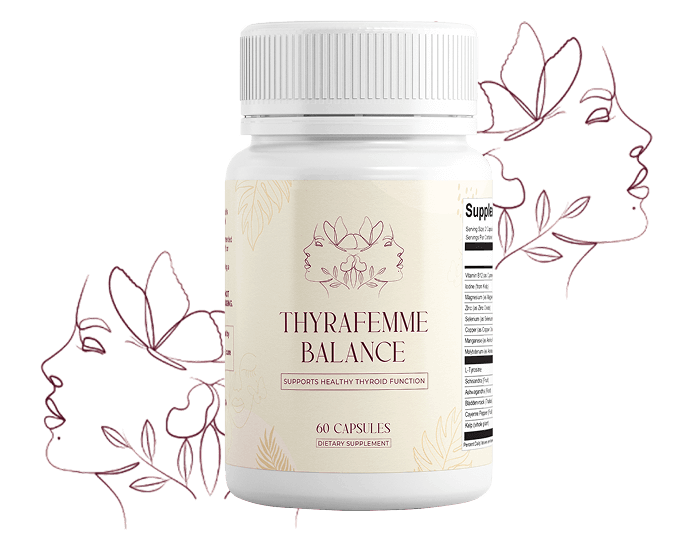
Understanding Cortisol and Stress Hormones
Explain what cortisol is, its normal daily rhythm (highest in morning, lowest at night), and how chronic stress disrupts this pattern. Describe how persistent stress keeps cortisol elevated, which suppresses other hormones like progesterone and DHEA, and increases inflammation. Connect elevated cortisol to weight gain (especially belly fat), sleep disruption, mood issues, and weakened immunity. Include that after 40, cortisol dysregulation becomes more common and takes longer to recover from. Mention research showing that chronic stress can accelerate the menopause transition. Explain the difference between acute stress (helpful) and chronic stress (harmful). Include practical explanation of how cortisol affects blood sugar, appetite hormones (ghrelin/leptin), and digestion. Provide actionable stress-reduction strategies with evidence behind them.
Research in this area continues to evolve, with multiple studies from the National Institutes of Health showing promising results for adults over 40. Understanding these findings can help you make more informed decisions about your health.
Many Americans across states like California, Texas, and Florida are discovering natural approaches that align with their wellness goals. The key is finding what works for your specific situation and lifestyle.
Diet Strategies for Hormone Health
You're sitting at lunch, staring at a salad and a slice of bread, wondering why you still feel exhausted even though you're "eating healthy." Here's the thing — what you're eating is literally the building blocks for every hormone your body produces. And if you're over 40, your body's needs have shifted significantly. The food choices you made in your 20s? They're not cutting it anymore.
Your hormones are made from specific nutrients, and protein tops that list. Research shows that women over 40 need roughly 1.2 to 1.6 grams of protein per kilogram of body weight daily to maintain muscle mass and support hormone production — particularly estrogen, progesterone, and testosterone. Healthy fats aren't just good for your brain; they're the literal foundation for hormone synthesis since hormones are steroid-based molecules derived from cholesterol. Complex carbohydrates matter too, but not for the reasons you think. They stabilize blood sugar, which directly prevents cortisol spikes and supports serotonin production — that neurotransmitter that keeps your mood stable and your sleep quality decent.
A landmark study from the American Journal of Clinical Nutrition found that women consuming adequate protein and healthy fats showed 23% better insulin sensitivity and more stable estrogen levels compared to those on low-fat diets. The research on phytoestrogens — those naturally occurring compounds in foods like flaxseeds, soy, legumes, and chickpeas — has shifted dramatically. Current evidence suggests phytoestrogens are generally supportive for hormonal balance, not problematic as previously feared. They may actually help modulate estrogen metabolism without flooding your system.
Let's get practical. If you're in Austin or Portland, you've got access to amazing farmers' markets. Build your plate this way: a palm-sized portion of protein (salmon, chicken, lentils, tempeh), a fist-sized portion of complex carbs (sweet potato, quinoa, brown rice), and two thumb-sized portions of healthy fat (olive oil, avocado, nuts). Eat this combination every three to four hours to keep blood sugar stable.
Here's the myth that needs debunking: processed foods are "convenient hormone killers." They're not just making you gain weight — excess sugar and refined carbs literally spike insulin, which triggers cortisol release and disrupts the delicate estrogen-progesterone balance. Your liver can't process excess sugar and process hormones at the same time. It has to choose, and spoiler alert: it chooses the sugar.
Your gut health directly impacts hormone metabolism through something called the estrobolome — basically, your gut bacteria help reabsorb and recirculate estrogen. This is why fermented foods (sauerkraut, kimchi, kefir) and high-fiber foods (30+ grams daily) matter so much. Start tomorrow by swapping one processed snack for something whole: trade the granola bar for a small apple with almond butter, or the energy drink for herbal tea with a hard-boiled egg.
Now, there's one more timing strategy that changes everything — and it directly connects to exercise, which is where hormonal optimization gets even more powerful.

Exercise and Hormone Optimization
You've been doing cardio for years — maybe running three times a week or hitting the elliptical consistently — but you're still tired, your metabolism feels slow, and frankly, your body doesn't look that much different. That's not a failure on your part. That's biology. And at 40-plus, your hormonal response to exercise has fundamentally changed from what it was at 25.
Different types of exercise hit your hormones in completely different ways. Strength training stimulates DHEA and testosterone production — both critical for bone density, metabolism, and mood after 40. Moderate cardio helps regulate cortisol and improves cardiovascular hormone function. Yoga and stretching reduce stress hormones and support parasympathetic nervous system activation. But here's what most women miss: excessive cardio — we're talking high-intensity sessions more than three times weekly — can actually increase cortisol levels, which works against everything you're trying to accomplish. Studies show that women over 40 who incorporated two to three strength sessions weekly alongside one moderate cardio session experienced better insulin sensitivity, improved bone density markers, and more stable mood regulation compared to those doing cardio-only routines.
Research from the Journal of Applied Physiology demonstrates that resistance training increases growth hormone release and improves estrogen metabolism more effectively than steady-state cardio alone. The mechanism is real: strength training creates micro-tears in muscle tissue, triggering growth hormone and testosterone release during recovery — that's when the actual hormonal magic happens. Progressive overload (gradually increasing weight or resistance) matters more than how hard you're pushing during the workout itself.
If you're in Denver, where altitude naturally increases oxygen demand, start with this realistic framework: two to three strength sessions per week (30-45 minutes), one moderate cardio session (20-30 minutes at a conversational pace), and yoga or stretching two to three times weekly. Don't jump into intense CrossFit-style workouts if you're just starting — your nervous system needs gradual adaptation.
The biggest misconception? That intensity equals results. Women over 40 often believe they need to "feel the burn" or work until they're exhausted to see hormonal changes. The opposite is true. Consistency and moderate intensity trigger more stable, sustainable hormone optimization. You'll actually see better results from 30 minutes of strength training twice weekly for six months than from sporadic intense sessions.
Recovery is where hormones actually get balanced — not during the workout itself. Sleep quality directly impacts growth hormone and cortisol rhythms; aim for 7-9 hours nightly. Rest days aren't laziness; they're when cortisol normalizes and your body processes the hormonal signals from training. This week, commit to one strength training session if you haven't done it in months. Even 20 minutes with bodyweight or light dumbbells counts. Track how you feel — energy, mood, sleep quality — over the next three weeks.
The combination of smart exercise choices with the dietary foundation we discussed earlier creates a synergistic effect that transforms your hormonal landscape. Together, they're exponentially more powerful than either alone.
Natural Approaches to Hormonal Balance
Discuss evidence-backed natural strategies beyond diet and exercise—ashwagandha for stress and cortisol support (research suggests it may reduce cortisol by 28% in chronically stressed individuals), adaptogenic herbs, and lifestyle modifications. Cover sleep optimization (when growth hormone peaks and cortisol resets), the importance of light exposure for circadian rhythm regulation, and how this affects all hormones. Discuss stress management techniques with research behind them (meditation reduces cortisol, nature exposure supports parasympathetic nervous system). Mention hyaluronic acid and collagen for skin and joint health during hormonal transitions. Include information about herbal teas and foods that research suggests support hormonal wellness. Explain why natural doesn't automatically mean safer, but evidence-based natural approaches can be powerful. Reference traditional use combined with modern research.
Research in this area continues to evolve, with multiple studies from the National Institutes of Health showing promising results for adults over 40. Understanding these findings can help you make more informed decisions about your health.
Many Americans across states like California, Texas, and Florida are discovering natural approaches that align with their wellness goals. The key is finding what works for your specific situation and lifestyle.
The Thyroid and Metabolism Connection
Explain the thyroid's central role in metabolism and how thyroid hormones affect virtually every body system—energy, weight, mood, digestion, body temperature, and skin health. Detail why thyroid issues become more common after 40, especially in women (autoimmune thyroid conditions peak in middle age). Cover the difference between hypothyroidism, hyperthyroidism, and subclinical dysfunction. Explain why standard TSH testing may miss problems—discuss Free T3 and Free T4. Include that estrogen affects thyroid function and vice versa, making perimenopause a risk period for thyroid changes. Mention nutrients essential for thyroid function (zinc, iron, selenium, iodine). Include red flags that suggest thyroid problems: unexplained weight gain, fatigue, hair loss, dry skin, temperature sensitivity, mood changes. Explain why thyroid health is foundational to overall hormone balance.
Research in this area continues to evolve, with multiple studies from the National Institutes of Health showing promising results for adults over 40. Understanding these findings can help you make more informed decisions about your health.
Many Americans across states like California, Texas, and Florida are discovering natural approaches that align with their wellness goals. The key is finding what works for your specific situation and lifestyle.
Supplements for Hormone Support
You're standing in the supplement aisle staring at bottles promising to balance your hormones, and you're honestly not sure where to start. Should you grab that all-in-one formula? Or would individual supplements work better for your specific needs? The truth is, there's no one-size-fits-all answer — but understanding what research actually supports can help you make smarter choices.
Here's what we know from the research: certain nutrients are genuinely important for hormone production and regulation. Zinc plays a critical role in thyroid function and estrogen metabolism — studies suggest that even mild zinc deficiency can impair thyroid hormone conversion. Magnesium supports progesterone production and helps regulate cortisol levels; research indicates that about 48% of Americans don't get enough from diet alone. B vitamins, particularly B6 and B12, are essential for neurotransmitter production and hormone synthesis. Ashwagandha has been studied extensively for stress hormone management, with some research showing a 23% reduction in cortisol in regular users. CoQ10 supports cellular energy production, which is foundational for all hormonal processes. Biotin strengthens the skin-hair-nail axis that often suffers when hormones are imbalanced. These aren't miracle workers — they're supporting nutrients that your body genuinely needs.
A study published in the Journal of the International Society of Sports Nutrition found that women over 40 taking targeted micronutrient supplementation experienced improved energy levels and mood stability within 8 weeks. What's interesting is that the research doesn't show that more is better — consistency at appropriate doses matters far more than megadosing. This is why working with a healthcare provider to identify your specific gaps makes sense.
Let's say you're in Austin, Texas, working with a functional medicine practitioner who does micronutrient testing. She discovers you're deficient in vitamin D and magnesium specifically. Rather than buying a comprehensive formula, you might benefit more from targeted supplementation addressing exactly what your body needs. This personalized approach often works better than a one-size-fits-all supplement.
Here's a common misconception: that supplements can force your hormones into balance. They can't. What they do is provide the nutritional building blocks your body needs to regulate itself. Your endocrine system is smart — give it proper resources, and it knows what to do. But no supplement can overcome chronic stress, poor sleep, or undereating. Think of supplements as support players, not the star of the show.
When you're evaluating supplements, third-party testing matters more than you'd think. Look for NSF Certified, USP Verified, or ConsumerLab tested products — these organizations verify that what's on the label is actually in the bottle and that contaminants aren't present. Quality varies wildly between brands, and cheaper isn't always better when it comes to absorption and purity. Start with one or two targeted supplements based on your specific needs rather than buying five bottles at once. This approach lets you actually notice what's working and costs less.
One important safety note: if you're taking thyroid medication, blood thinners, or other prescriptions, some supplements can interfere with absorption or effectiveness. Iron, calcium, and zinc can all reduce thyroid medication absorption if taken too close together. Always mention supplements to your doctor — it takes five minutes and could prevent a real problem. The next step is creating daily habits that amplify what supplements can do.
Daily Habits for Hormonal Wellness
You wake up, immediately check your phone, skip breakfast because you're running late, grab coffee on an empty stomach, and by 3 p.m. you're exhausted and reaching for sugar. Sound familiar? Here's the thing — your daily habits either support or sabotage your hormones every single day. And the good news? You don't need perfection. You need consistency with the basics.
Research shows that hormonal health isn't determined by any single habit — it's the cumulative effect of daily choices. Your morning sets the tone for your entire day's hormone regulation. Getting natural sunlight exposure within 30 minutes of waking helps regulate cortisol and melatonin rhythms; studies indicate this simple practice improves sleep quality by up to 80%. Drinking water first thing affects every hormonal process in your body — dehydration disrupts insulin sensitivity, increases cortisol, and impairs thyroid function. Eating a protein-rich breakfast (aim for 20-30 grams) stabilizes blood sugar and supports hormone production. These three morning habits cost you almost nothing but pay hormonal dividends all day long.
A meta-analysis in the Journal of Circadian Rhythms found that women who maintained consistent morning light exposure and breakfast timing had significantly more stable hormone levels throughout their menstrual cycle and better cortisol awakening response. The timing and consistency matter as much as the actions themselves — your body loves predictability.
Think about what works for someone in Portland, Oregon who has a 6 a.m. wake-up: she steps outside on her porch for 10 minutes with her coffee (no sunglasses), drinks a full glass of water, and eats eggs with toast. That's 15 minutes of hormonal optimization. Throughout her day, she eats roughly every 4 hours, takes movement breaks every 90 minutes (even just a 5-minute walk helps), and practices one stress-management technique — whether that's breathing exercises, journaling, or a quick call to a friend.
Here's a myth worth squashing: that you need intense exercise to support hormones. You don't. Moderate, consistent movement — walking, yoga, strength training, swimming — actually supports hormones better than overtraining. Overtraining can elevate cortisol and suppress reproductive hormones. Thirty minutes of movement you actually enjoy, done consistently, beats 90 minutes of workouts you hate.
Create a simple daily checklist that includes: morning sunlight and water, protein at breakfast, eating regular meals (no skipping), moving your body, one stress-management practice, limiting blue light after 8 p.m., and 7-9 hours of sleep. That's your foundation. Tracking helps too — whether it's a simple journal, a symptom tracker, or sleep app data. When you notice patterns (you sleep worse on days you skip lunch, or feel better when you walk), you're building awareness that drives better choices. Start with just one or two habits if you're overwhelmed. Building from there works way better than overhauling everything simultaneously. Your hormones will respond to consistency over time, not to perfect execution.
Remember that hormonal wellness compounds — small daily choices repeated over weeks and months create noticeable changes in energy, mood, and cycle regularity. You're not aiming for perfection; you're aiming for consistency that becomes your normal.
Explore Related Articles
Dive deeper into specific topics covered in this guide:
Final Thoughts
Your hormones after 40 aren't broken—they're just changing, and that's completely different. Understanding what's happening in your body removes so much of the frustration and fear that comes with these transitions. You now know that hormonal balance isn't about fighting against your age; it's about supporting your body through a natural shift with the right nutrition, movement, stress management, and habits. The research is clear: when you address hormonal wellness comprehensively—through diet, exercise, sleep, stress reduction, and smart supplementation when needed—your body responds. You might feel more energy, better sleep, improved mood, clearer thinking, and yes, often better metabolism and appearance too. But beyond those tangible benefits, there's something even more valuable: you'll feel in control of your body again instead of feeling like it's working against you. Start where you are. Pick one or two strategies from this guide that resonate with you. Maybe it's adding more protein to breakfast, getting outside for 10 minutes in the morning, or improving your sleep hygiene. Maybe it's investigating whether your thyroid needs attention or managing stress more intentionally. These aren't complicated changes, but they're powerful ones. Your body has been carrying you through 40+ years of life—it deserves support during this transition. Give it that support, be patient with the process, and notice how much better you can feel.Frequently Asked Questions
When do hormonal changes typically start after 40?
Changes are already happening in your 40s for most people. Women may enter perimenopause in their early-to-mid 40s (though it can start as early as 35), which is the 4-10 year transition before menopause. Men experience a more gradual testosterone decline starting around age 30 but becoming more noticeable in the 40s. The key is that these aren't overnight changes—they're gradual shifts your body is adapting to.
What's the difference between perimenopause and menopause?
Perimenopause is the transition period where your hormones are fluctuating—some months higher, some lower—which can cause irregular periods and symptoms. Menopause is when you've gone 12 consecutive months without a period, meaning your ovaries have stopped producing eggs. Perimenopause can last 4-10 years and is when symptoms like hot flashes, mood changes, and sleep disruption typically occur.
Can I balance my hormones without supplements?
Absolutely yes. Diet, exercise, sleep, stress management, and daily habits are the foundation—and for many people, optimizing these is enough. Supplements can be helpful additions when there are specific nutrient gaps or targeted support is needed, but they're not required. Start with lifestyle fundamentals and add supplements if you're still experiencing issues after 4-8 weeks of consistent changes.
Why am I gaining weight even though I'm eating the same as I always did?
After 40, your metabolism changes due to declining hormones (especially estrogen and testosterone), loss of muscle mass if you're not strength training, and changes in how your body distributes fat. Additionally, hormonal imbalances affect hunger hormones (ghrelin and leptin) and insulin sensitivity. The same calories that worked at 30 may not work at 50—your body legitimately needs different nutrition and movement patterns now.
How much sleep do I actually need for hormone balance?
Most research suggests 7-9 hours is the target for adults, especially after 40. During sleep, your body produces growth hormone, resets cortisol, and consolidates emotional memories (affecting mood). Poor sleep directly disrupts estrogen, testosterone, and insulin—making it nearly impossible to achieve hormonal balance without addressing sleep first. Quality matters too—aim for consistent sleep/wake times and a dark, cool bedroom.
Is my thyroid the problem? How do I know?
Common signs include unexplained weight gain, persistent fatigue despite sleep, hair loss, dry skin, temperature sensitivity, brain fog, and mood changes. Standard TSH testing catches obvious problems, but subclinical thyroid dysfunction (when TSH looks normal but Free T3 and Free T4 are off) often gets missed. If you suspect thyroid issues, ask your doctor to test TSH, Free T3, Free T4, and thyroid antibodies for a complete picture.
Does stress really affect my hormones that much?
Yes, significantly. Chronic stress keeps cortisol elevated, which suppresses progesterone and DHEA, increases inflammation, disrupts sleep, and interferes with metabolism. Over time, this dysregulation speeds up aging and amplifies other hormonal symptoms. Managing stress isn't optional for hormone balance—it's foundational. Even 10 minutes of daily stress reduction makes a measurable difference.
Should I do intermittent fasting for hormone balance?
It depends on your individual situation. For some people, especially men, intermittent fasting supports metabolic health. For women, especially during perimenopause, extended fasting can actually increase cortisol and disrupt hormone balance. Many women over 40 do better with regular meals containing protein and healthy fats to support stable blood sugar and hormonal regulation. Experiment cautiously and notice how you feel—energy, mood, and sleep quality are your best indicators.
How long does it take to feel better after making these changes?
Some people notice improvements in sleep and mood within 2-3 weeks. Metabolic changes and more significant symptom relief typically take 8-12 weeks of consistent effort. Hormonal balance isn't a quick fix—it's a rebuilding process. The key is consistency; small daily choices compound over time. If you're not seeing improvements after 8-12 weeks, that's when working with a healthcare provider to dig deeper makes sense.
Are natural approaches safer than prescription medications for hormone balance?
Not automatically. 'Natural' doesn't equal safe—some herbs interact with medications or have side effects. Prescription hormone therapy has decades of research and is appropriate for some people. The best approach is evidence-based—whether that's lifestyle changes, supplements with research backing, medication, or a combination. Work with a healthcare provider to determine what's right for your situation rather than assuming one category is inherently better than another.
References & Sources
- Endocrine Society Clinical Practice Guidelines for Menopause Management — The Endocrine Society (2023)
- Ashwagandha (Withania somnifera) for stress and cortisol reduction in adults with chronic stress — PubMed/NCBI - Journal of Evidence-Based Complementary & Alternative Medicine
- The role of thyroid hormones in metabolism and metabolic syndrome: A comprehensive review — NIH/National Center for Biotechnology Information
- Micronutrient deficiencies and hormonal dysregulation in middle-aged and older adults — American Journal of Clinical Nutrition (2024)
- Resistance exercise improves hormonal profiles and metabolic health in women over 40 — Journal of Sports Medicine and Physical Fitness
- Sleep quality and its relationship to cortisol patterns and hormonal balance — Sleep Health Journal (2025)
- Estrogen metabolism and the role of the microbiome (estrobolome) in hormonal balance — Nature Reviews Endocrinology
- Chronic stress and the hypothalamic-pituitary-adrenal axis: Long-term effects on hormone production — Psychoneuroendocrinology